




Causes of Floods in Pakistan
- Heavy Monsoon Rains
Pakistan’s monsoon season, from July to September, brings intense rainfall. In some years, the rain exceeds normal patterns, overwhelming rivers, dams, and drainage systems. When the Indus River and its tributaries overflow, massive floods strike provinces like Sindh and Punjab. - Glacial Melting in the North
Pakistan is home to some of the world’s largest glaciers. Rising global temperatures have accelerated their melting, causing glacial lake outburst floods (GLOFs). Northern areas like Gilgit-Baltistan and Khyber Pakhtunkhwa often experience flash floods due to this phenomenon. - Deforestation
The lack of forests worsens floods. Trees absorb water and slow its flow, but deforestation in Pakistan has reduced natural protection, increasing surface runoff and soil erosion. - Poor Urban Planning
Rapid and unplanned urbanization has blocked natural waterways. In cities like Karachi and Lahore, encroachments on drainage channels create urban flooding even after moderate rainfall. - Weak Infrastructure
Outdated dams, barrages, and drainage systems fail to handle excessive water flow. Inadequate flood forecasting and early warning systems also contribute to the damage.
Major Floods in Pakistan’s History
- 2010 Super Floods
Known as the worst flood in Pakistan’s history, the 2010 floods affected 20 million people, destroyed infrastructure, and caused damages worth over $43 billion. One-fifth of the country was submerged. - 2014 Floods
Heavy monsoon rains caused rivers to overflow, especially in Punjab and Azad Kashmir. Millions were displaced, and thousands of acres of crops were destroyed. - 2022 Floods
Pakistan faced unprecedented floods in 2022 due to record monsoon rains and melting glaciers. Over 33 million people were affected, thousands lost their lives, and nearly one-third of the country went under water. It was described as a “climate catastrophe” by the United Nations.
These floods are reminders that Pakistan must prepare for both natural and human-induced disasters.
Impact of Floods in Pakistan
- Human Loss
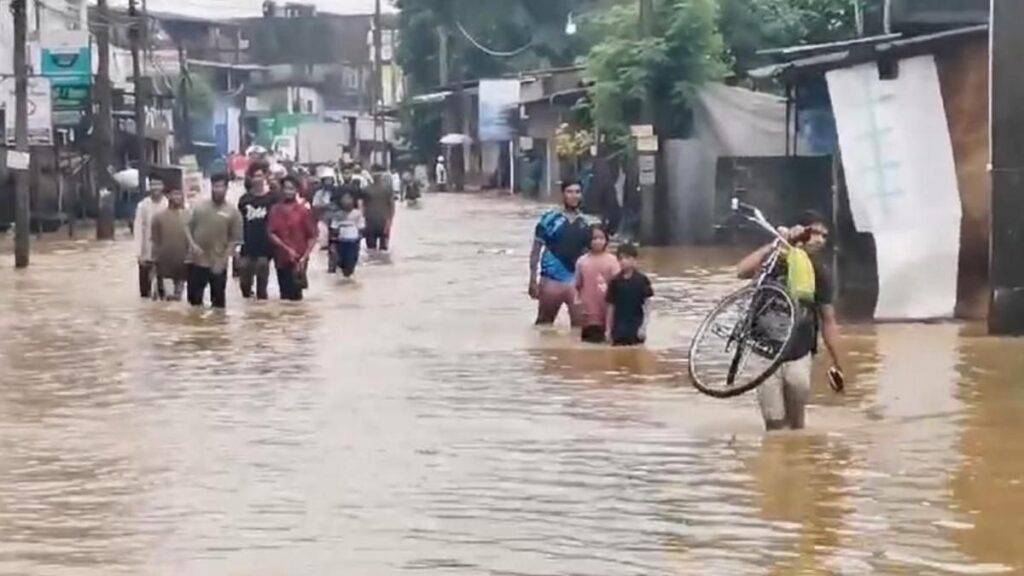
Floods claim thousands of lives every year. Many people drown, while others die due to waterborne diseases, electrocution, or collapsed buildings. - Displacement and Migration
Millions are forced to leave their homes, living in temporary shelters with inadequate facilities. This leads to psychological stress, health issues, and loss of livelihood. - Economic Loss
Floods damage roads, bridges, schools, hospitals, and industries. Agricultural fields are submerged, livestock are swept away, and small businesses collapse. The economy suffers billions of dollars in losses annually. - Health Crises
Stagnant water becomes a breeding ground for diseases like malaria, dengue, diarrhea, and cholera. Healthcare facilities, already limited, struggle to handle the surge in patients. - Environmental Degradation
Floods erode fertile soil, destroy forests, and disturb wildlife habitats. They also pollute water sources with chemicals, sewage, and waste.
Social Consequences of Floods
Floods do not just bring physical destruction; they disrupt social structures. Women and children are particularly vulnerable, often facing lack of privacy, health facilities, and education in relief camps. Schools are used as shelters, delaying education for months. Poverty deepens as farmers and laborers lose their means of income. Communities are torn apart, and recovery takes years, if not decades.
Government Response to Floods
The Government of Pakistan, along with institutions like NDMA (National Disaster Management Authority) and PDMA (Provincial Disaster Management Authority), takes steps for flood relief. These include:
- Emergency evacuations and rescue operations.
- Distribution of food, medicines, and shelter.
- Setting up of relief camps.
- International appeals for humanitarian aid.
However, gaps remain in planning, infrastructure, and long-term rehabilitation. Corruption, mismanagement, and slow response often worsen the crisis.
International Assistance
Pakistan has received global support during major floods. The United Nations, World Bank, Red Crescent, and many NGOs provide funds, food, tents, and medical supplies. Countries like China, Turkey, Saudi Arabia, and the USA have played major roles in assisting Pakistan. Despite this, the scale of destruction often exceeds the aid provided.
Solutions and Preventive Measures
To reduce flood risks, Pakistan needs both short-term emergency responses and long-term strategies:
- Better Forecasting Systems
Advanced technology can predict floods earlier, giving communities time to prepare. Weather stations, satellite monitoring, and mobile alerts should be expanded. - Strengthening Infrastructure
Building stronger dams, embankments, and drainage systems can control water flow. Regular maintenance of barrages and canals is crucial. - Reforestation Campaigns
Planting trees across flood-prone areas can reduce soil erosion and absorb excess water. - Urban Planning
Cities must adopt proper drainage systems, avoid illegal constructions on waterways, and introduce “green zones” to absorb rainfall. - Community Awareness
Educating communities about evacuation plans, first aid, and emergency shelters can save lives. - Climate Change Mitigation
As floods are linked to global warming, Pakistan must invest in renewable energy, reduce pollution, and join global climate agreements. - International Cooperation
Sharing technology, funds, and expertise with other countries can help Pakistan strengthen its flood management.
Conclusion
Floods in Pakistan are a recurring tragedy, but they are not just natural disasters — they are also a result of human negligence and poor planning. With the increasing threat of climate change, the risk of severe flooding is expected to rise in the coming years. Unless Pakistan invests in disaster preparedness, environmental conservation, and strong governance, floods will continue to wash away lives, livelihoods, and dreams.
The resilience of the Pakistani people is remarkable, but resilience alone is not enough. What is needed is a comprehensive national strategy to prevent, manage, and recover from floods. By uniting government efforts, community action, and international support, Pakistan can face the rising waters with strength and determination.
